The Door That Keeps Opening
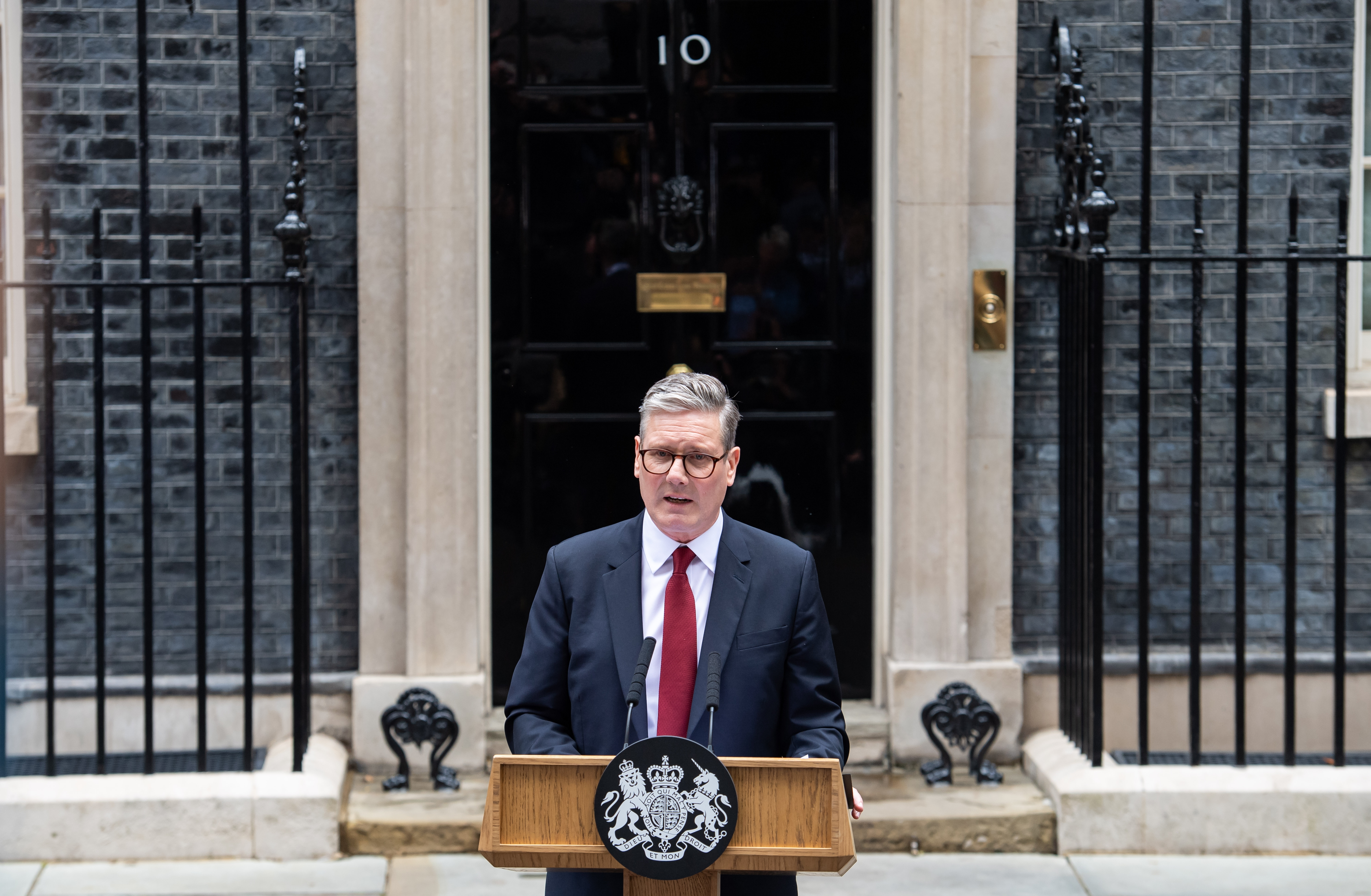
British transfers of power are designed to look calm. A lectern appears outside 10 Downing Street, a departing prime minister makes a final statement, and the monarch invites a successor to form a government. Yet the ceremony now hides an extraordinary level of political instability.
Keir Starmer announced on June 22, 2026, that he would resign once Labour selected a successor. When that successor takes office, Britain will have had seven prime ministers serving during the decade since the Brexit referendum: David Cameron, Theresa May, Boris Johnson, Liz Truss, Rishi Sunak, Starmer, and the next Labour leader.
This is not merely a story of difficult personalities. It reflects a political system that repeatedly changes leaders without settling the disputes that removed them.
The Referendum That Consumed Its Authors
David Cameron called the 2016 referendum partly to settle Britain’s relationship with Europe and contain a long-running Conservative division. Leave won by 51.9 per cent to 48.1 per cent, and Cameron resigned the next morning.
The vote decided that Britain should leave the European Union, but not what leaving should mean. It did not determine the acceptable cost of new trade barriers, the future of the Irish border, or the balance between national regulatory freedom and access to European markets.
Theresa May inherited those contradictions. Her withdrawal agreement was rejected by Parliament three times. The first defeat, by 432 votes to 202, was the largest government defeat in modern Commons history. Boris Johnson replaced her, renegotiated part of the agreement, and won a large majority in 2019 on the promise to “Get Brexit Done.”
Britain formally left the European Union, but Brexit did not disappear as a political problem. Questions over trade, migration, Northern Ireland, regulation, and Britain’s international position continued. The Office for Budget Responsibility still estimates that the post-Brexit trading relationship will eventually reduce UK trade intensity by about 15 per cent and potential productivity by about 4 per cent compared with remaining in the EU.
Three Prime Ministers in One Year
Johnson’s large majority did not protect him from the consequences of scandal and collapsing support inside his own party. Following a wave of ministerial resignations, he announced his departure in July 2022.
Liz Truss then entered Downing Street, promising rapid tax cuts and a decisive break with economic caution. Her premiership lasted 49 days. The September 2022 fiscal announcement triggered severe disruption in government bond markets, forcing the Bank of England to begin temporary purchases of long-dated gilts to protect financial stability.
Rishi Sunak was selected to restore order. He calmed the immediate crisis but could not separate himself from fourteen years of Conservative government. Labour won 411 seats in July 2024, returning to power with a commanding Commons majority.
The result nevertheless contained a warning. Labour achieved its landslide on roughly one-third of the national vote. Britain’s first-past-the-post electoral system can turn a limited vote share into overwhelming parliamentary control. A prime minister may therefore look dominant in Parliament while governing a fragmented and dissatisfied electorate.
How Britain Changes Leaders Without an Election
British voters do not elect the prime minister directly. The prime minister holds office because he or she can command the confidence of the House of Commons. When a governing party has a majority, replacing its leader can therefore replace the prime minister without a general election.
This flexibility is useful. A parliamentary system can remove a failed leader without waiting for the next national vote. It can maintain continuity during illness, resignation, or crisis.
The weakness appears when leadership replacement becomes a substitute for solving policy problems. Party MPs or members choose a new leader, but that person immediately gains authority over the whole country. Policies, ministers, and priorities can change even though the electorate has not voted again. The process is constitutional, but repeated use creates a problem of democratic legitimacy.
The Cost of Constant Turnover
The churn extends far beyond Number 10. Britain had three prime ministers and a record 67 cabinet appointments in 2022. Every new minister requires time to learn the department, understand existing programmes, and build relationships with officials. Frequent reshuffles encourage new reviews, reorganisations, slogans, and targets before earlier policies can be assessed.
The civil service preserves institutional memory, but it cannot supply stable political direction. Businesses also hesitate when tax, energy, trade, and industrial policies repeatedly change. Allies must ask whether today’s commitments will survive the next leadership contest.
Political turnover rarely causes a complete administrative breakdown. Its damage is quieter. It delays decisions, weakens accountability, and makes long-term planning more difficult.
Trust Is the Silent Casualty
Britain’s leadership crisis is also a crisis of confidence. In the OECD’s 2023 survey, only 27 per cent of people in the United Kingdom reported high or moderately high trust in the national government, below the OECD average of 39 per cent. British Social Attitudes research found that 79 per cent believed the system of government required substantial improvement.
Leadership changes can represent accountability. Removing an ineffective prime minister is often better than preserving one for appearances. Repetition, however, changes the meaning. When each leader arrives promising stability and leaves amid crisis, the promise itself loses value.
A Final Verdict?
Britain is not ungovernable. Elections remain competitive, courts function, the civil service continues to operate, and power transfers peacefully. The parliamentary system’s ability to replace leaders quickly is one of its strengths.
But flexibility without direction becomes drift.
The next prime minister will inherit the authority of office and Labour’s parliamentary majority. That leader will not automatically inherit public confidence, a new electoral mandate, or easy solutions to weak growth, strained public services, migration pressures, regional inequality, and Britain’s unsettled relationship with Europe.
Seven prime ministers in ten years is more than an unusual statistic. It is the record of a country repeatedly changing captains while postponing the harder argument about its destination.