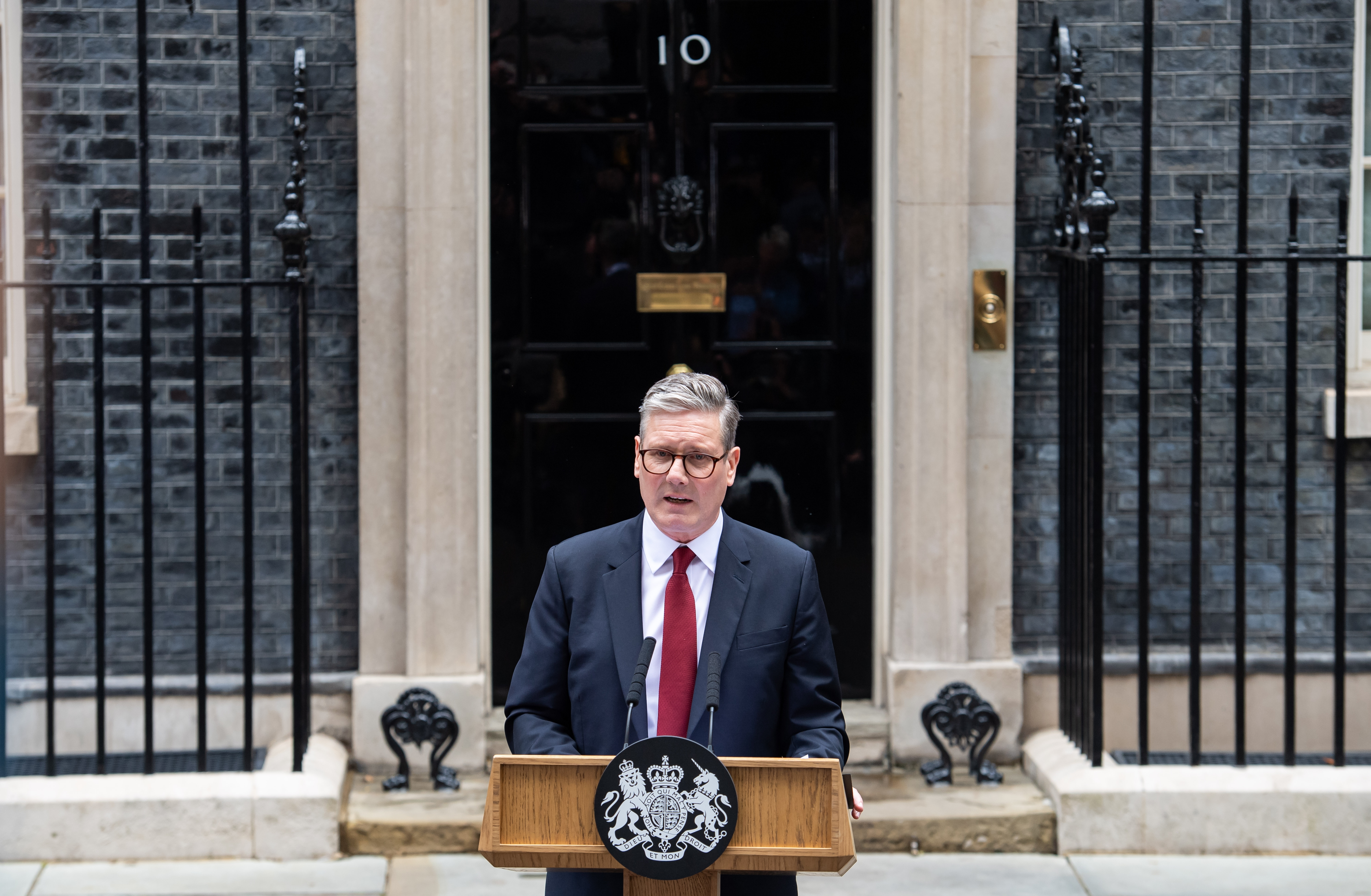
International politics and economics turned upon themselves when the US and Israel launched strikes against Iran’s military and government sites, resulting in the death of many government officials, most notably the Supreme Leader Ali Khamenei. Iran retaliated by closing the Strait of Hormuz and launching retaliatory fire on Israel and US military sites in the region. Since the fighting broke out in late February, thousands of people have been killed, displaced or injured, international supply lines have been disrupted, and world leaders have scrambled amongst themselves to find a solution to what was foreseen to be a costly war, economically and humanitarily.
The start of the conflict was criticised as a violation of jus ad bellum, particularly the prohibition on the use of force in Article 2(4) of the UN Charter; Article 51 concerns the right of individual and collective self-defence. As the world was thrown into chaos, the belligerents held multiple attempts at peace talks, culminating in an interim ceasefire agreement with the signing of a 14-point Memorandum of Understanding between the two belligerent parties on June 17th. As the world breathed a sigh of relief, the important question remains: how does the Memorandum of Understanding (MoU) reframe the economic dynamic between the Trump administration and Iran? Despite the US and Israel launching the initial strikes, and despite all the structural damage and changes to leadership Iran suffered, the signing of the MoU was more harmful to the United States of America, and more specifically to the Trump administration, than Iran, due to the economic and political concessions the MoU entailed.
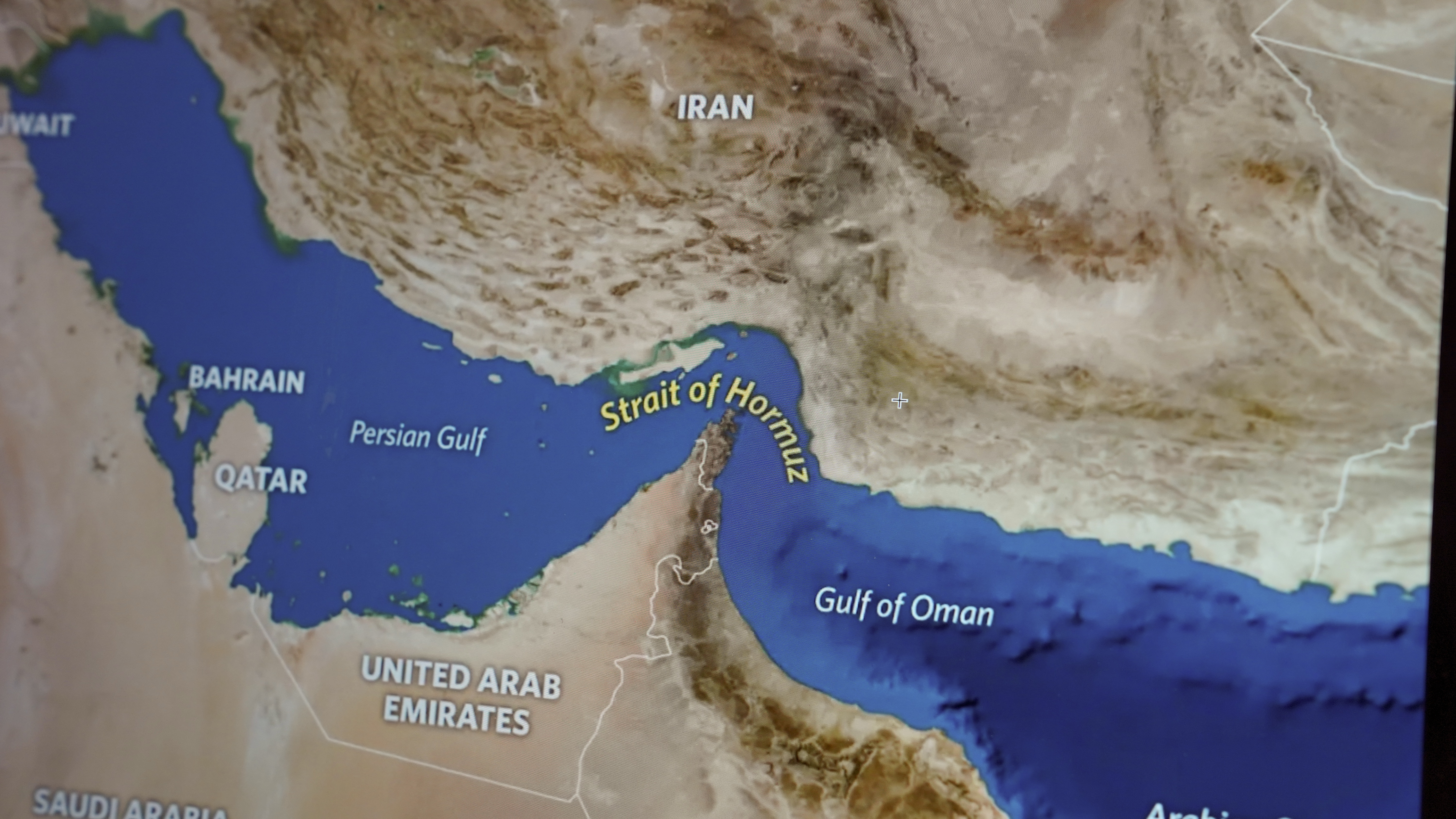
The dependence of global oil supply on the Strait of Hormuz comes under strain time and time again, and Iran’s retaliatory closing of the Strait proves its strategic importance once more. This action reaffirms that, as long as Iran can disrupt traffic through the Strait of Hormuz, it will never be an easy victory for the US. A critical maritime chokepoint between Iran and Oman, the strait connects the Persian Gulf to the Gulf of Oman and the Arabian Sea, and many Gulf states are heavily reliant on it for imports and exports. It sees about 20% of global petroleum liquids consumption and about 20% of global seaborne liquefied natural gas trade pass through it, approximately $600 billion worth of annual energy trade. The Arabian Gulf is also a primary producer of key non-oil commodities such as fertiliser, methanol, and sulfur, disruptions to which threaten global manufacturing.
Although the US only receives around 7% of its crude oil and condensate imports through the strait, and those flows account for around 2% of total US petroleum liquids consumption, it is not exempt from its effects. The impact of the strait closing can be described along four avenues: driving up crude oil prices; increasing shipping costs and their effects on prices down the supply chain; tightening fertiliser and other manufacturing input supplies; and inflation due to instability and higher manufacturing input prices. The US has significant interests in ensuring the reopening of the strait to prevent economic instability, protect global allies that rely on oil that passes through the strait, and maintain freedom of navigation. Additionally, Iran selectively controlled tanker transit during the closure of the strait, with at least two vessels reportedly paying transit fees in Chinese yuan rather than US dollars; in doing so, Iran challenged the traditional petrodollar system. By encouraging some transactions in yuan, Iran sought to reduce dependence on US dollars and limit the reach of US sanctions. The US subsequently initiated a naval blockade of Iranian ports in an attempt to pressure the Iranian government into lifting the closure.
However, that is not to say the Iranians were unaffected by US actions in the strait as well. The US naval blockade of Iranian ports was estimated to threaten up to $435 million in daily economic activity and contributed to an estimated $4.8 billion in foregone oil revenue across April and May; May oil revenues were approximately 84% lower than in March. The war and blockade also placed further pressure on the local currency and contributed to job losses.
Points 4, 5, and 9 of the MoU highlight the strait’s importance and both sides’ desperation for the strait to open up again. Point 4 stipulates that the US will immediately begin removing its naval blockade and complete it within 30 days. This shows that the strait, while a maritime weapon Iran can use as a retaliatory measure, is also a key strategic asset for Iran’s opponents to pressure Iran. Point 5 shows the Strait of Hormuz’s centrality to the global economy. Point 5 states that Iran will use its best efforts to arrange safe, no-charge passage for commercial vessels for 60 days after the MoU’s signing, begin operations on removing technical and military obstacles and de-mining the strait, and begin discussions with Oman and other Gulf states for the strait’s future administration. This point acknowledges Iran’s practical leverage over traffic through the strait, making its willingness to allow safe passage a critical point of negotiation. Additionally, the inclusion of long-term administration talks shows how Iran’s leverage over the strait is undesirable to the US. Point 9 says that both sides will maintain the status quo: Iran will maintain the current status of its nuclear programme, while the US will not impose new sanctions or deploy additional forces in the region. This point is not specific to the strait, but it highlights how both belligerents seek to prevent further escalation during negotiations.
Iran’s weaponisation of the Strait of Hormuz in this conflict has redefined the US’s economic relationship with Iran, with resounding implications for geopolitics in the future. Instead of the US one-sidedly crippling Iran’s economy with its sanctions to enforce its will, Iran’s historic closing of the strait shows that it has real and significant leverage that could disrupt global politics and finance. The MoU affirms this by formally acknowledging Iran’s leverage and hinting at the US’s redirected approach to politics with Iran. More broadly, future negotiations between the two will be defined by an understanding that Iran can and will disrupt global energy supply and prices, thus marking a challenge to US sanctions-based pressure and transforming the region of the Middle East into one of vulnerability for the US, where economic statecraft and pressures no longer hold the same guarantees they once did.