When Darkness Became a Metaphor
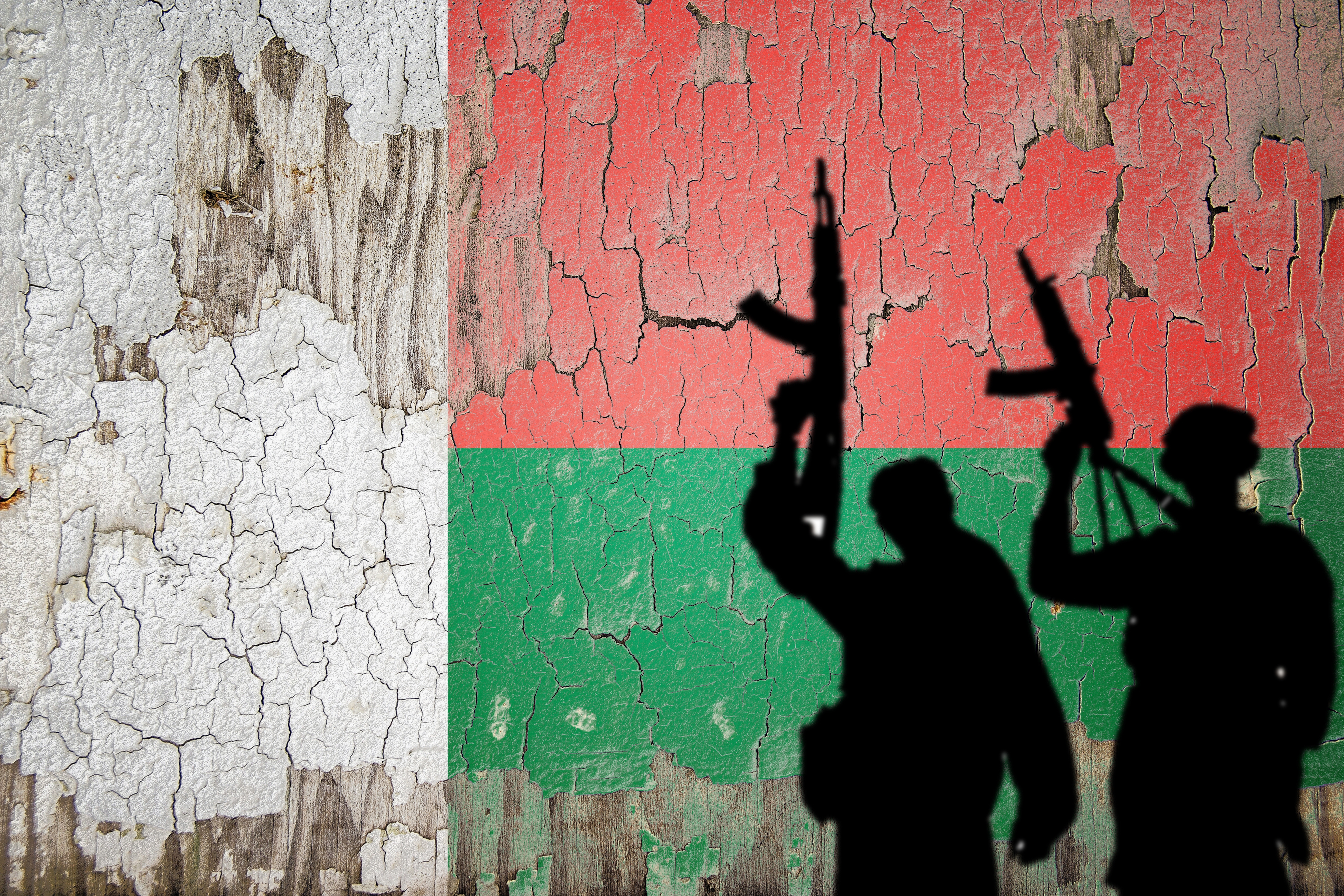
The Southern Fall drifts further south. In Madagascar, cities once known for calm and endurance now tremble with unrest. The youth have risen, not in the name of ideology, but in the name of a promise: government exists to serve its people.
From Antananarivo to Toamasina, power cuts have become political. Each hour without light is a reminder of the state’s deliberate absence. What began as anger over blackouts has turned into a nationwide reckoning: a generation tired of survival demanding governance worthy of their patience.
The Spark: When Darkness Became a Metaphor
In late September, endless water shortages, electricity failures lasting half the day, and soaring prices sparked the first demonstrations in the capital. The movement: Leo Délestage (“Fed up with power cuts”), began online, then spilled into the streets.
Students gathered at Ambohijatovo Square, a place that once hosted colonial rallies and independence marches. Now, it hosts a new demand: competence.
Demonstrations started peacefully, candlelit vigils against darkness, but soon met a harsh response. Police fired tear gas and rubber bullets. Within two weeks, at least 22 people were dead and over a hundred injured.
President Andry Rajoelina, under immense pressure, first dissolved his cabinet, then the National Assembly. But each act of control revealed the loss of it.
When the elite CAPSAT military unit refused orders to disperse protesters, and instead joined them, the state’s foundations cracked. On October 14, Parliament impeached Rajoelina, and the army announced a two-year transition. By then, the president had fled the country.
As one protester said: “We didn’t want power. We wanted light.”
The Social Contract in Ruins
Madagascar’s crisis is not merely political, it is philosophical. For years, the regime’s legitimacy rested not on representation but on performance: roads built, investments signed, promises made. Yet when performance declines, legitimacy follows suit.
In the words of John Locke, government is a trust; when rulers fail to protect life and welfare, that trust is broken. And in Madagascar, that betrayal is measured not in speeches, but in blackouts, shortages, and silence.
The youth did not rebel against the state, they reminded it of its reason to exist. Like Emmanuel Sieyès once declared, “The nation is everything.” In today’s Madagascar, the Third Estate is Generation Z: unaligned, connected, and conscious of its power.
The Fragility of Power
When the army intervened, it claimed to restore order. In reality, it revealed the hollowness of civilian institutions.
As Reuters noted, GDP per capita has nearly halved since independence. Corruption, cronyism, and recurrent crises have eroded the Republic’s ability to balance power among its institutions.
What collapsed in October was not only a presidency but a principle: the equilibrium between the executive, the legislature, and the people. Montesquieu’s warning still echoes that when power ceases to balance itself, liberty falters.
The Digital Agora
Organized through encrypted apps rather than parties or unions, the Malagasy youth turned social media into a civic square. Their legitimacy came not from hierarchy but from shared frustration.
In interviews with Le Monde, many describe this movement as “moral rather than political”, a rebellion against dysfunction, not ideology.
Locke’s age required signatures to express consent. Today, it travels through screens. Yet the essence remains unchanged: legitimacy is born when the governed act together, when they withdraw silence and replace it with voice.
A Coup d’État Served on a Silver Platter
What began as a civic awakening ended, once again, in the hands of men in uniform. The army did not seize power by force, it was offered to them on a silver platter. When institutions crumble and rulers flee, the void of authority rarely stays empty. In Madagascar, as in Nepal months before, the military stepped forward not out of loyalty to the people, but to order itself at the center of legitimacy. Their intervention, cloaked in the language of “stability” and “transition,” transformed a citizen-led movement into a pretext for guardianship.
This moment reveals the paradox of the Southern Fall: revolutions born of civic virtue often end in bureaucratic coups. The very youth who lit candles for accountability now watch as their victory is repackaged as national salvation. Whether the generals speak for the people or simply over them will define the next chapter. As history reminds us, from Cairo to Kathmandu, when the military becomes the interpreter of public will, the people’s sovereignty remains suspended between gratitude and usurpation.
A Choice Before Dawn
On October 20, the military named Herintsalama Rajaonarivelo as prime minister under interim leader Colonel Michael Randrianirina, pledging elections within two years. The African Union swiftly suspended Madagascar, calling for a swift return to constitutional rule.
But on the ground, the sentiment is different. As Antonio, a protester, told The Guardian: “I just want to thank Gen Z, the people who truly protested… because it was them who gave us the victory.”
For the first time in decades, Malagasy citizens are not speaking of endurance, they are speaking of accountability.
The darkness that once symbolized paralysis has become a metaphor for awakening. The Southern Fall has reached the Indian Ocean, carrying the same refrain heard in Nepal and Morocco: that the right to be governed well is not a privilege, but the very essence of freedom.